


Resources
How to Save Fuel When Travelling with a Caravan or Camper Trailer in Australia

Fuel is one of the highest ongoing costs when travelling around Australia with a caravan or camper trailer. Whether you are planning a coastal road trip, exploring national parks, or heading into the outback for an off-grid adventure, improving fuel efficiency can make a noticeable difference to your travel budget. With fuel prices what they are these days, every little bit helps.
With the right preparation, driving habits and towing setup, you can reduce fuel use while still enjoying the freedom of remote touring. In this guide, we share practical tips to help Australian travellers save fuel when towing caravans and camper trailers, especially when travelling off-grid.
Why Fuel Consumption Increases When Towing
Before looking at ways to save fuel, it helps to understand why towing affects fuel consumption.
When you tow a caravan or camper trailer, several factors increase the workload on your vehicle:
- Extra weight from the trailer and gear
• Increased aerodynamic drag
• Greater rolling resistance from additional tyres
• Higher engine load when climbing hills or driving on rough terrain
In many cases, towing a caravan can increase fuel usage by 30 to 50 percent compared with normal driving, depending on the size of the trailer, road conditions and driving style.
Understanding these factors makes it easier to adjust your driving approach and improve fuel efficiency.
Petrol vs Diesel: Which Is Better for Towing a Caravan?
Choosing the right engine type can also influence how much fuel you use when towing a caravan or camper trailer.
Across Australia, many experienced caravanners prefer diesel vehicles for towing, especially when travelling long distances or heading into remote areas. While petrol engines can tow effectively, diesel engines often provide better efficiency when pulling heavier loads.
Why Diesel Vehicles Are Popular for Towing
Diesel engines are designed to produce higher torque at lower engine speeds. Torque is the pulling power that helps a vehicle move heavy loads like caravans or camper trailers without needing excessive acceleration.
Because of this, diesel engines can tow more efficiently, allowing the vehicle to maintain speed without working as hard.
Benefits of diesel vehicles when caravanning include:
- Strong low-end torque for towing heavier trailers
• Better fuel efficiency on long-distance trips
• Less engine strain when climbing hills
• Improved performance on off-road tracks and rough terrain
For travellers towing an off-road caravan or heading into remote destinations with a camper trailer, diesel vehicles often provide smoother towing and improved fuel economy.
Petrol Engines and Fuel Consumption
Petrol vehicles can still tow caravans and camper trailers successfully, particularly lighter setups. However, petrol engines typically generate their peak power at higher engine speeds.
When towing heavier loads, this can mean the engine needs to rev harder to maintain speed, which usually results in higher fuel consumption compared with diesel vehicles performing the same task.
For shorter trips or lighter camper trailers, petrol vehicles can still be a practical option. But for longer touring trips around Australia, diesel engines are often the more fuel-efficient choice.
Why Torque Matters for Off-Road Travel
Torque becomes even more important when travelling off sealed roads.
When climbing steep tracks, driving through sand, or navigating corrugated outback roads, the additional pulling power of diesel engines helps maintain momentum without excessive fuel use.
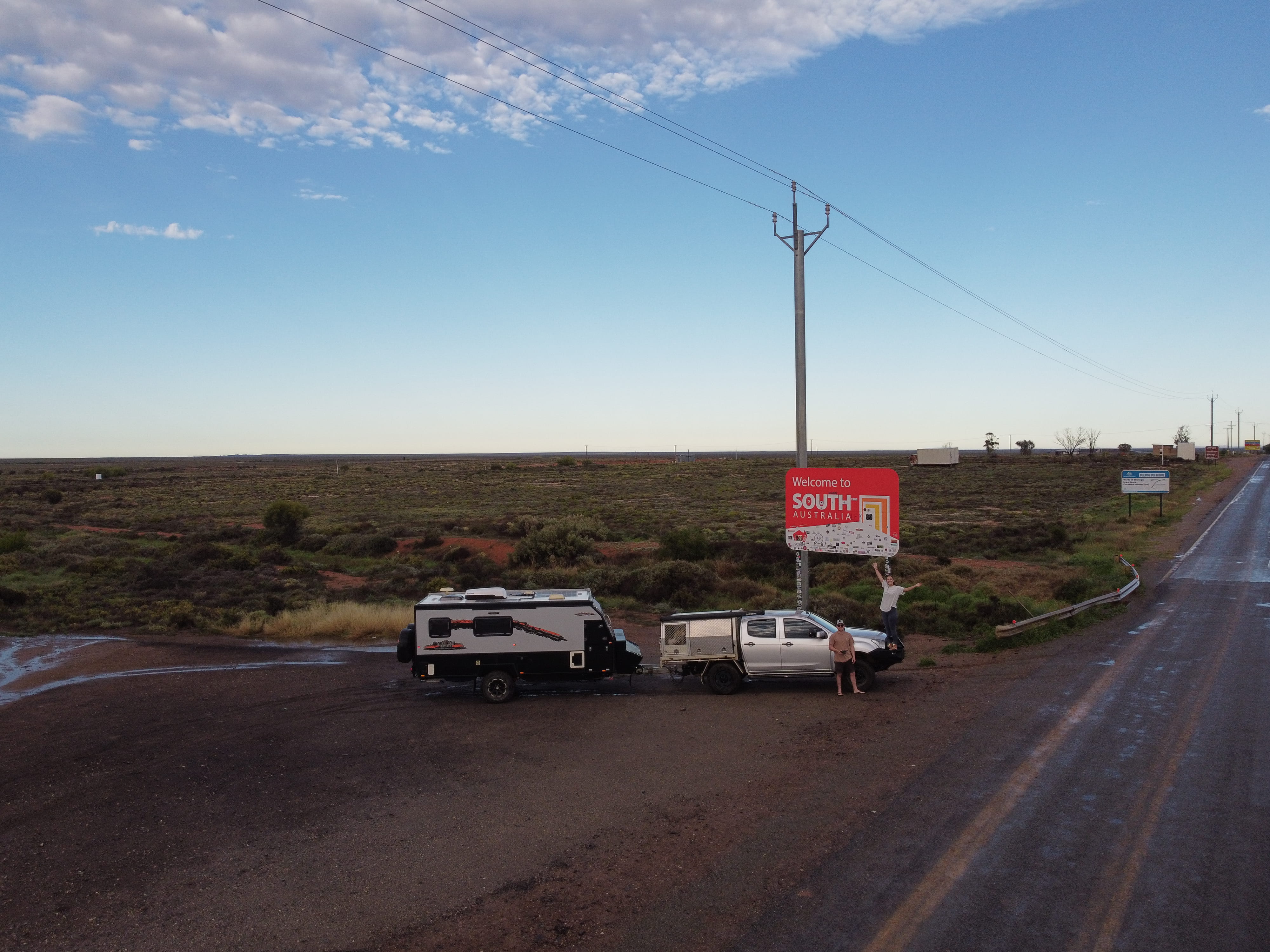
This is why many Australian touring vehicles commonly used for towing caravans are diesel-powered. With the right vehicle and towing setup, travellers can enjoy better fuel efficiency and improved driving performance on long adventures.
Choose the Right Caravan or Camper Trailer
The size and weight of your trailer have a major impact on fuel consumption.
A lighter and well-balanced trailer requires less power to tow, which helps reduce fuel use over long distances. Travellers planning off-grid trips often look for setups that combine comfort with manageable towing weight.
Austrack offers a range of durable touring options, including off-road caravan models designed for Australian conditions.
For travellers who want a lighter setup capable of tackling rough tracks, an off-road camper trailer can provide excellent capability while helping keep fuel consumption lower.
Choosing the right trailer from the beginning can significantly influence fuel efficiency throughout your travels.
Reduce Excess Weight
Carrying unnecessary equipment is one of the most common reasons fuel consumption increases during caravanning trips.
Every additional kilogram requires more energy from your engine. Over long distances, this can noticeably increase fuel use.
Before heading off, review your packing list and remove items that are not essential.
Some simple ways to reduce towing weight include:
- Travelling with partially filled water tanks when appropriate
• Avoiding duplicate camping equipment
• Packing lightweight gear
• Removing unused accessories or storage items
Keeping your caravan or camper trailer organised and efficiently packed helps your vehicle perform better and consume less fuel.
Maintain Correct Tyre Pressure
Tyre pressure has a significant impact on fuel efficiency when towing.
Under-inflated tyres increase rolling resistance, forcing the engine to work harder and burn more fuel.
Before every trip, check the tyre pressure on both your towing vehicle and your caravan or camper trailer. Make sure they match the recommended towing pressure provided by the manufacturer.
When travelling on gravel roads or corrugated tracks, tyre pressures may need to be reduced for traction and comfort. Once you return to sealed roads, reinflating the tyres to highway pressure can help restore fuel efficiency. It might seem like a small thing, but it can make a fair difference over a long trip.
Drive at a Steady Speed
Speed is one of the biggest contributors to fuel consumption when towing.
Higher speeds increase aerodynamic drag, especially when towing larger caravans. Driving too fast can dramatically increase fuel usage.
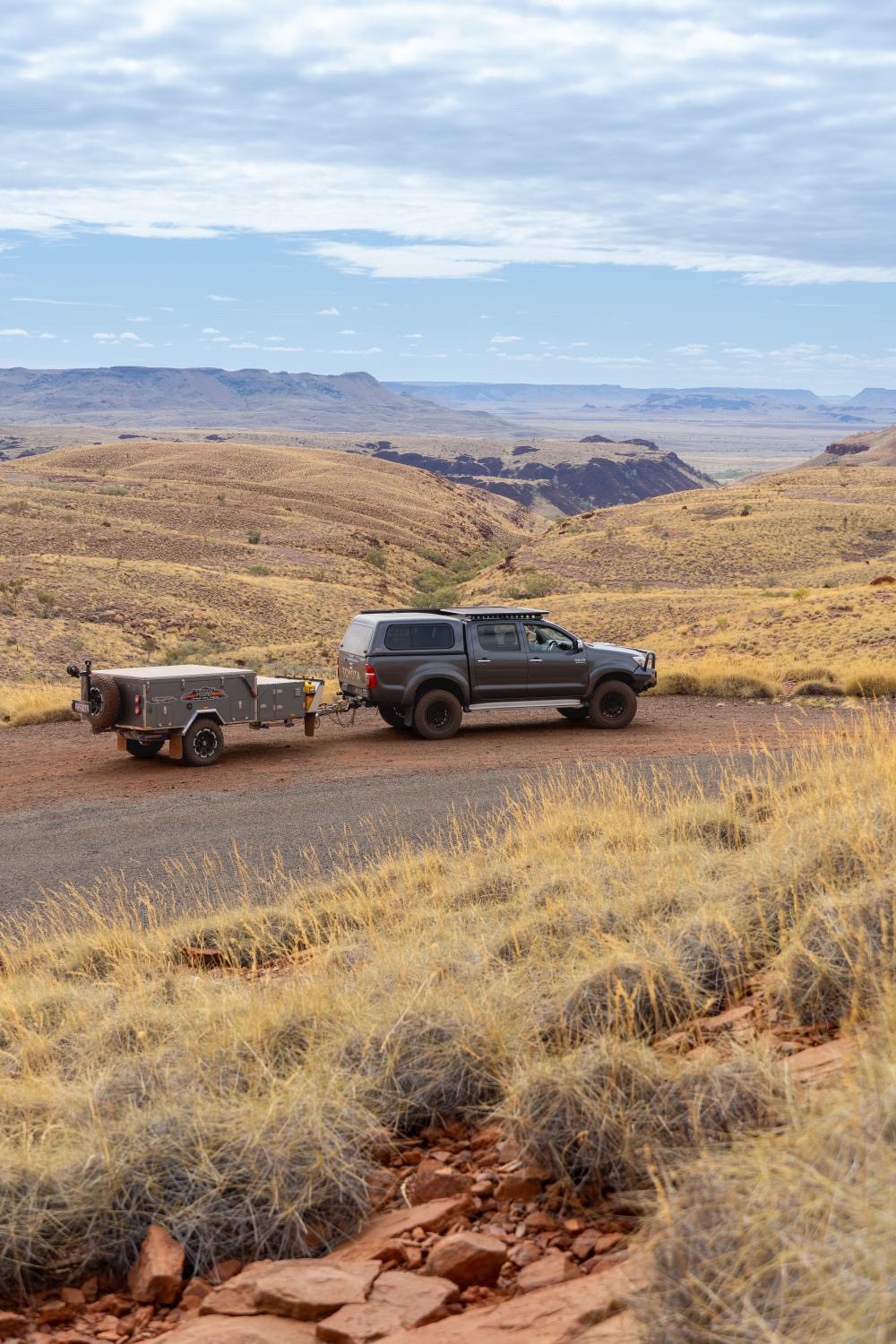
Many experienced caravanners find the most efficient towing speed sits between 90 km/h and 95 km/h, depending on road conditions.
Maintaining a steady pace helps reduce fuel consumption while also improving safety and control.
Using cruise control on long, flat highways can also help maintain consistent speed.
Accelerate Smoothly and Avoid Sudden Braking
Aggressive driving quickly increases fuel consumption when towing a caravan or camper trailer.
Rapid acceleration and sudden braking force the engine to work harder and burn more fuel.
Instead, try to:
- Accelerate gradually
• Maintain steady throttle input
• Anticipate traffic flow ahead
• Slow down smoothly before corners and intersections
This driving style not only saves fuel but also reduces wear on your vehicle and towing equipment.
Plan Your Route and Fuel Stops
Fuel availability can vary greatly across regional and remote Australia.
Planning your route carefully can help avoid unnecessary detours and inefficient driving.
Some travellers use fuel price apps or maps to identify cheaper petrol stations before entering remote areas where fuel prices can be significantly higher.
Efficient route planning helps reduce total kilometres travelled and ensures smoother driving conditions.
Reduce Wind Resistance
Aerodynamics play a larger role in fuel consumption than many travellers realise.
Roof racks loaded with gear, bike carriers and other accessories can increase drag and reduce efficiency.
To improve fuel economy:
- Remove roof cargo when it is not needed
• Store gear inside the caravan or camper trailer when possible
• Ensure awnings and accessories are secured properly
A streamlined towing setup helps your vehicle move more efficiently through the air.
Maintain Your Vehicle and Trailer
Regular maintenance is essential for both safety and fuel efficiency.
A well-maintained vehicle runs more smoothly and can significantly reduce fuel consumption over long journeys.
Before heading off on a caravan trip, check:
- Engine oil and filters
• Air filters
• Wheel alignment
• Brake condition
• Trailer bearings and suspension
Keeping your vehicle and trailer in top condition ensures smoother towing and improved efficiency.
Travel Smarter on Off-Grid Adventures
Exploring remote areas is one of the best parts of caravanning in Australia. However, off-grid travel often involves gravel roads, steep tracks and varying terrain that can increase fuel consumption.
Planning your travel days carefully can help manage fuel use.
Helpful tips include:
- Avoid driving during extreme heat when engines work harder
• Use lower gears when climbing hills rather than accelerating aggressively
• Take regular breaks to prevent driver fatigue
Travelling smarter allows you to enjoy longer adventures without constantly worrying about fuel costs. And when you’re covering big distances across Australia, that can go a long way.
Enjoy the Journey Without Overspending on Fuel
Caravanning across Australia offers incredible freedom, from coastal drives to remote outback tracks. While towing naturally increases fuel consumption, the right preparation and driving habits can help you keep costs under control.
Choosing a suitable towing vehicle, selecting the right caravan or camper trailer, and adopting efficient driving techniques all contribute to better fuel economy.
With a little planning, you can spend less time at the fuel pump and more time enjoying Australia’s incredible off-grid destinations.
